Not a voucher. Not a donation. The same continuous wellcare. The same licensed pediatricians. The same monthly cadence. Delivered to a child who would not otherwise receive it.
Delivered through vetted partners on the ground · Outcomes published every year · One family, one child, one full year at a time
Structured, scheduled wellchecks that track growth, development, nutrition, and early warning signs are the standard in a small number of high-income countries. For most families on earth they do not exist. What is not watched cannot be caught. The consequences compound for life.
are stunted globally, the result of chronic undernutrition that goes undetected until it has already shaped a child's developmental trajectory.
of children die before their fifth birthday every year, the majority from preventable conditions that earlier detection and care could have changed.
of children under five in low- and middle-income countries are at risk of not reaching their developmental potential.
of preschool children worldwide are iron-deficient. The cognitive cost is invisible to families until it has already affected school-age learning.
children show a developmental, behavioral, or learning condition. Earlier detection in the first three years dramatically improves outcomes.
Stunting before age two is almost never recovered. The cognitive gap it opens persists into adulthood and measurably reduces lifetime earnings.
Subscription activated. An eligible child is assigned from an NGO partner, in the family's home region where possible.
Same monthly app-guided check-ins. Same licensed pediatricians. Same continuous monitoring. Same referral network. Not a diluted version. The same version.
Wellchecks delivered, flags identified, referrals made, conditions caught. Aggregated, anonymised, audited, and published annually. No marketing claims that are not backed by the data.
Another Child is not a symbolic gesture or an annual voucher. It is the full Balayu service. The matched child gets the same twelve months of continuous monitoring and physician review that a paying family receives, for the same twelve months that the paying family is a member.

“Maya is developing well. Dietary iron intake is low based on the family's nutrition log; I have recommended supplementation and referred to our partner clinic for a confirmatory test. No other concerns this review.”
A child whose growth velocity is flagged in March rather than the following February is not a child with one extra data point. It is a child whose trajectory is changed. Three domains where the difference is measurable.
Height is rarely recovered. Cognitive development gaps that open in the first 1,000 days tend to persist into adulthood. Detection within months is decisive. Annual snapshots are not.
Iron-deficiency anemia is treatable. It is also, in most cases, invisible to the family until it has already affected cognitive development. A monthly nutrition check-in catches what an annual clinic visit routinely misses.
Early intervention in the first three years is the entire premise of modern pediatrics. The earlier a delay is identified, the more meaningful the trajectory change. Structured screening at the cadence the science supports closes the detection gap.
We do not identify matched families directly. We partner with established organizations that already hold trust relationships in the communities that need this care most. They refer eligible families. We activate the subscription. The care delivered is identical to a paying family's.
Partners with active family-health programs in the communities preventive pediatric care does not yet reach.
Partners focused on the first 1,000 days, where Balayu's continuous model compounds fastest.
Organizations with ground presence where the private pediatric system does not serve.
Founding partners are being signed ahead of launch and will be named here, with logos, regions served, and program scope. We do not ship placeholder partner logos.
The reason give-back programmes fail trust is almost always the same. Unverified numbers, unpublished outcomes, unaccountable delivery. We have read enough annual reports to know.
Every year Balayu publishes the Another Child Outcomes Report. Total wellchecks delivered. Conditions identified and categorised. Referrals made and followed up. Partner NGO year-over-year performance. Cases told in plain language, with family permission.
The reason we can make this commitment is structural. The matched child is on the same product as the paying child. Their data is already collected, read by a physician, and recorded. The outcomes report is a byproduct of the operating model, not a separate marketing activity.
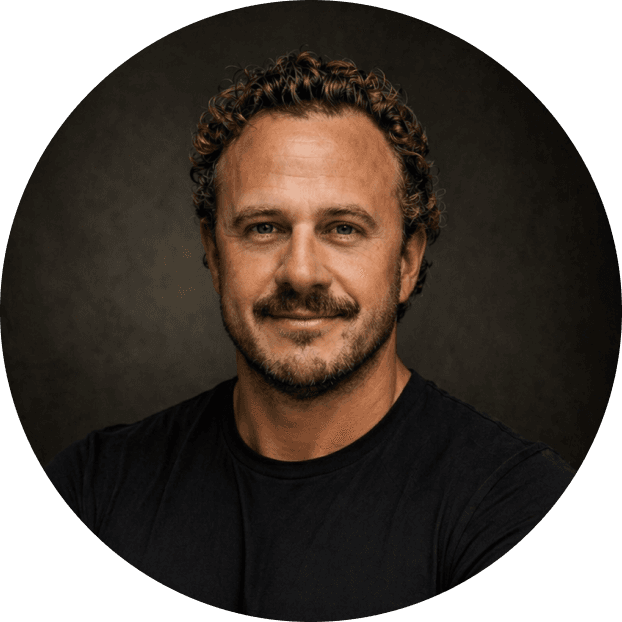
“The preventive standard of care belongs in every family's home. Not in a clinic schedule. Not behind a phone tree. Not for the children who happen to live close to the right hospital. Balayu is the system every child should have, and every paying family makes one more child's year of care possible.”
Every Balayu subscription activates a full year of matched pediatric care, delivered through partners to children who would otherwise go unseen. These figures update monthly and feed into the annual Outcomes Report.
You are already doing everything for your child. The school. The nutrition. The attention to every milestone. Balayu is the layer you did not know was missing. Join it, and every month your child's wellcheck is reviewed, another child's wellcheck is reviewed too. One subscription. Two children cared for.
Balayu is building its founding partner network now. If your organization works with maternal or child health in underserved communities, we want to talk. Family enrollment opens through partners at launch.
Another Child is a new model. These are the questions we hear from parents deciding to join and partners deciding to work with us.